








































Starting college can feel like stepping into a place where everyone else got the instructions ahead of time. People seem to know which offices to visit, which emails matter, and how to find opportunities that don’t show up on the syllabus.
Here’s what I wish I knew early: success at SCCC isn’t just about being “smart” or “motivated.” It’s about using the resources that already exist and finding a community that makes showing up easier – even on the hard days.
This is a guide to the things that helped me most: tutoring, clubs, and the campus support systems that quietly make a huge difference.
A lot of students avoid tutoring because they think it’s only for people who are “behind.” That mindset is expensive.
Tutoring is best when you use it before you’re overwhelmed. It’s how you turn confusion into clarity while the material is still manageable. It’s also how you build consistency: one hour of guided review can save you five hours of frustrated studying later.
How to use tutoring like a top student:
· Go early. Don’t wait until the night before an exam.
· Bring something specific. A quiz you didn’t understand, a worksheet, a chapter list, or even one question you can’t explain.
· Ask for a method, not just an answer. “How do I approach these problems every time?”
· Return weekly. Treat it like a gym routine: consistency beats intensity.
If you’ve never used tutoring before, you don’t have to show up “prepared.” Just show up.
Most students think of the library as a place to sit and do homework. But it’s also one of the best academic support systems on campus.
Even if you’re not writing research papers yet, the library can help with:
· finding credible sources
· learning citation basics
· getting support for projects that require research
If a professor assigns anything that includes the words “research,” “sources,” “article,” “peer-
reviewed,” or “citation,” the library can save you hours.
College can feel like a maze until you learn one rule: when you’re stuck, the fastest solution is usually a specific office.
A lot of students lose time – and sometimes money – because they don’t know where to ask the right question. Even sending one email can put you on the right track.
Some examples of reasons to reach out:
· Academic advising: scheduling, prerequisites, academic planning, “What class should I take next?”
· Transfer counseling: mapping credits, goal schools, timelines, recommendation planning
· Financial aid: simplifying aid packages, forms, deadlines
· Career services: resume help, interview prep, internships, and exploring careers
· Accessibility services: support for documented needs, testing accommodations, and learning support
It’s not “bothering” anyone to ask. It’s literally why those offices exist.
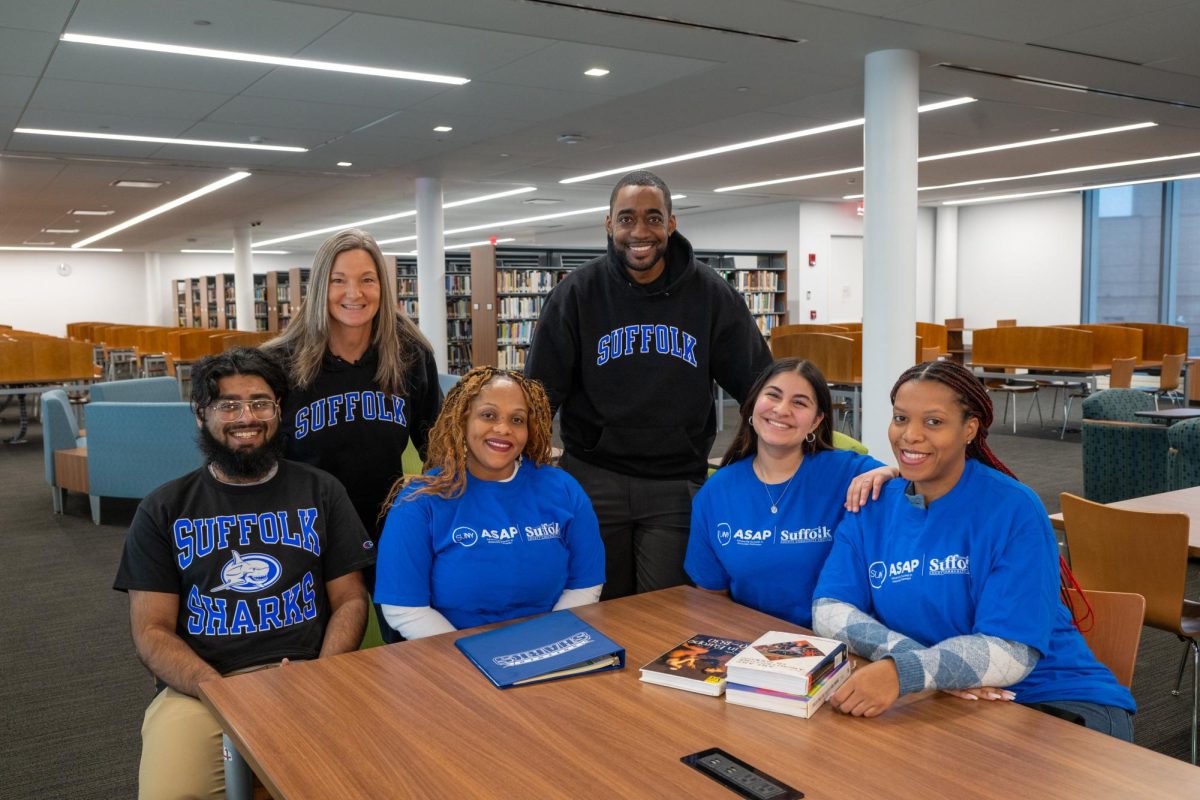
I joined clubs because I wanted to be around people who take learning seriously and who are building something outside of class.
Even if you only attend twice a month, clubs do three powerful things:
1. They make campus feel smaller (in a good way).
2. They expose you to opportunities you won’t find alone.
3. They remind you you’re not doing this by yourself.
The best part is you don’t need to be an expert to join. Just show up and be consistent.
Clubs that can help you build skills:
· Math and Science groups for problem-solving, academic motivation, and peer support
· Business/finance clubs for career exploration, practical insight, and networking
· Arts, literature, and press groups for writing, creativity, publishing, and building confidence
A lot of students think clubs are optional “extras,” but they are what keeps many students motivated and connected.
Volunteering – especially in structured environments – teaches you how organizations really run. You learn communication, responsibility, and how to work with people from different backgrounds.
And if you’re thinking long-term (transfer applications, scholarships, internships), volunteering shows that you’re not just collecting grades – you’re building character, consistency, and service.
If you’re new to SCCC, here’s a simple checklist:
· Visit academic advising and mentoring
· Locate your tutoring center
· Learn what help the library offers
· Join clubs that matches your interests
· Put all important dates in your calendar: homework assignments, quizzes, exams, projects
Do these things, and you’ll feel 10x more confident.
College isn’t meant to be done alone. The resources are part of the education. The students who use them aren’t weaker – they’re smarter with their time.
If you’re new here, don’t try to do everything perfectly. Just start using what’s available, find your community, and keep going.