



































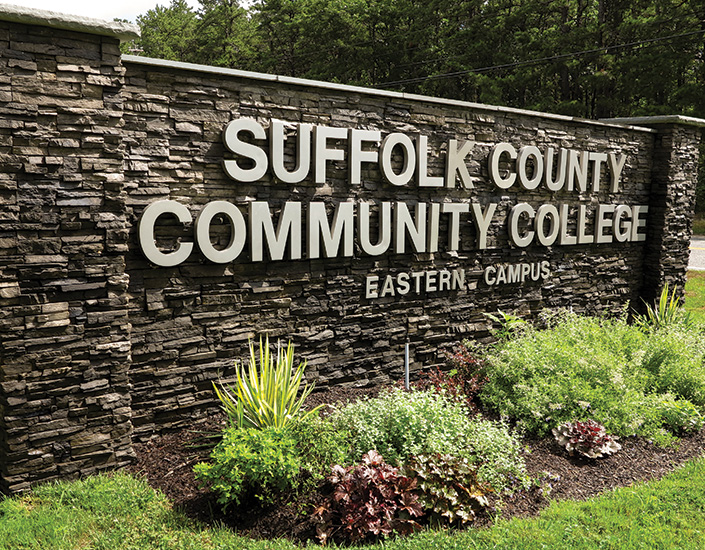
Starting college comes with a learning curve, and not all of the important lessons become clear right away. Some things you only understand after you have already been on campus for a while, after the first round of assignments, after a stressful week, or after realizing that college is not just about getting from one class to the next. If Part 1 was about the basics of starting at Suffolk County Community College, Part 2 is about the lessons that come a little later.
One of the biggest things I wish I had known is that no one really starts college feeling fully settled. It is easy to look around and assume everyone else knows exactly what they are doing, where they are going, and how college works. But a lot of students are figuring things out as they go. Some are learning how to manage their time. Some are trying to balance school with work or family responsibilities. Some are still trying to find their place. Realizing that uncertainty is normal would have made the beginning feel less intimidating.
Another thing I wish I had understood earlier is how important it is to ask for help before things begin to pile up. In college, it can be tempting to wait until you feel completely overwhelmed before reaching out. But usually the better choice is to ask questions early. That might mean emailing a professor, going to office hours, meeting with an advisor, or using tutoring services before a class starts to feel unmanageable. The longer students wait, the harder everything can start to feel. Knowing that asking for help is part of being a successful student, not a sign of weakness, would have made a real difference.
I also wish I had known how much routines matter. A lot of students begin college thinking success is mostly about motivation. Motivation helps, but it does not always last. What makes a bigger difference is having a routine. Knowing when to study, when to rest, when to check deadlines, and when to step away from distractions can make college feel much more manageable. Even small habits, like checking course updates regularly, writing down deadlines, or setting aside time each week for coursework, can prevent a lot of unnecessary stress.
Something else that becomes clearer over time is that professors are often more approachable than students expect. At the start of college, it is easy to think of professors as distant or intimidating. But many of them want students to do well and are willing to answer questions, explain expectations, and offer guidance. Reaching out can feel uncomfortable at first, but it often makes a class feel less overwhelming. Sometimes one conversation can clear up confusion that has been building for weeks.
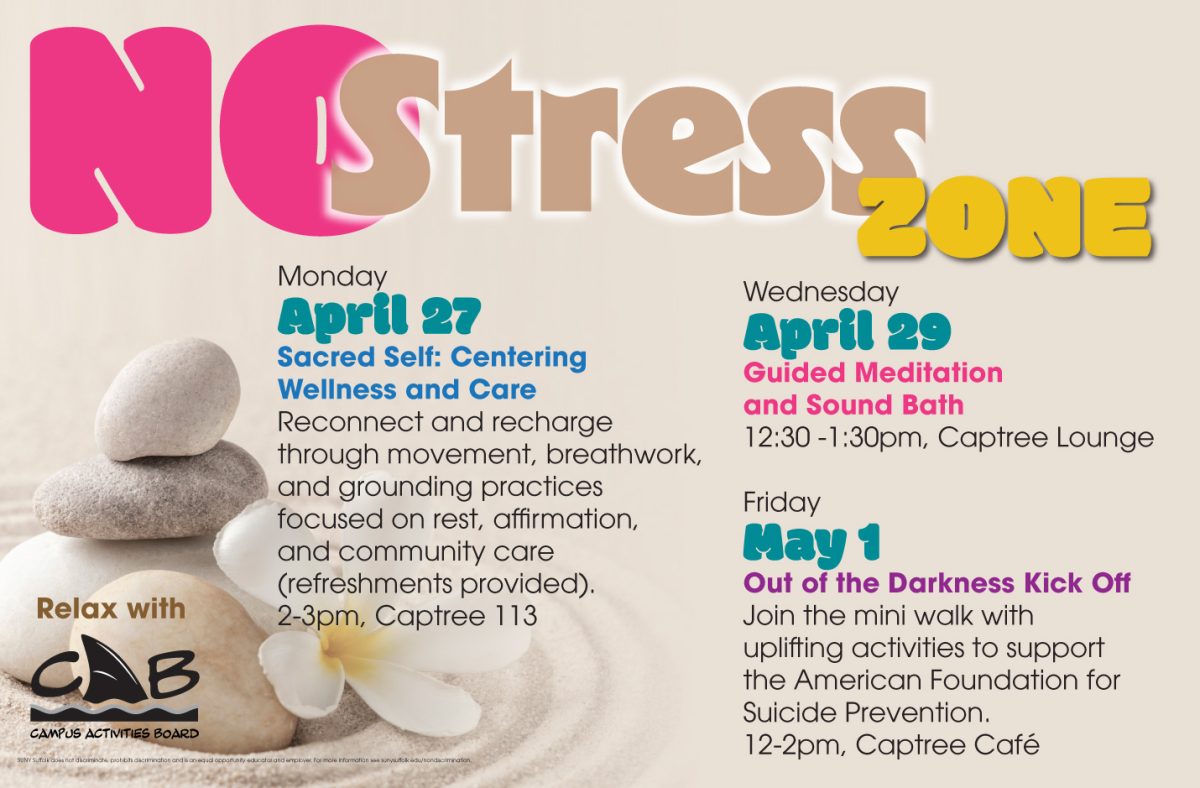
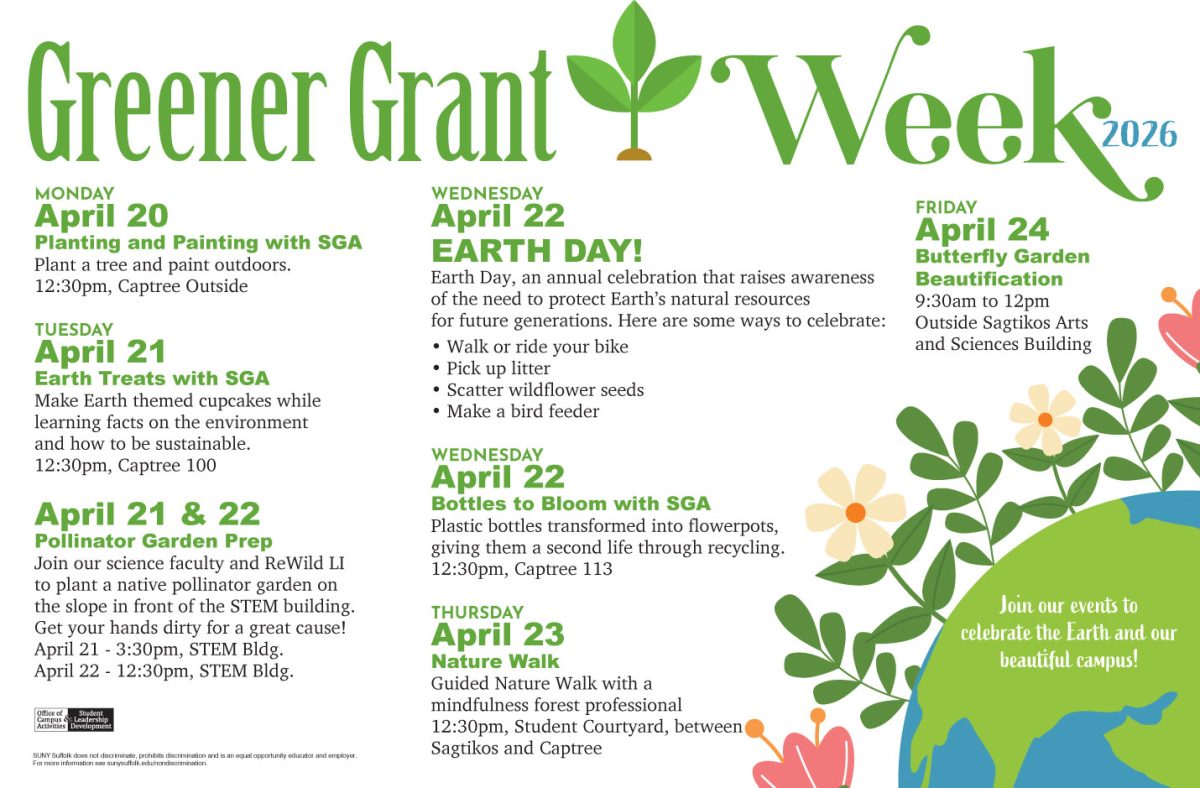
I also think I underestimated how much campus involvement can shape the college experience. At first, it is easy to think that clubs, events, and campus activities are optional extras. But they can do much more than fill time between classes. They help students meet people, feel connected, and start seeing themselves as part of the campus community. College can feel very different when it becomes more than just arriving for class and then leaving right away.
Another lesson is that students do not need to have everything figured out immediately. There can be a lot of pressure to know exactly what you want, what path you are on, and how every semester fits into a larger plan. But for many students, clarity comes gradually. College is also a place where people learn by trying, adjusting, and growing. It is okay not to have every answer right away.
Looking back, I think one of the most important things I wish I had known before starting SCCC is that college becomes easier to navigate when you stop expecting yourself to be perfect at it from the start. A lot of what makes students successful is not perfection. It is persistence, flexibility, and a willingness to keep learning.
Starting college can still be overwhelming, and there will probably always be things students wish they had known earlier. But sometimes the most helpful lessons are the ones that remind people they are not behind, not alone, and not expected to master everything on day one. That may be one of the most important things to know from the beginning.