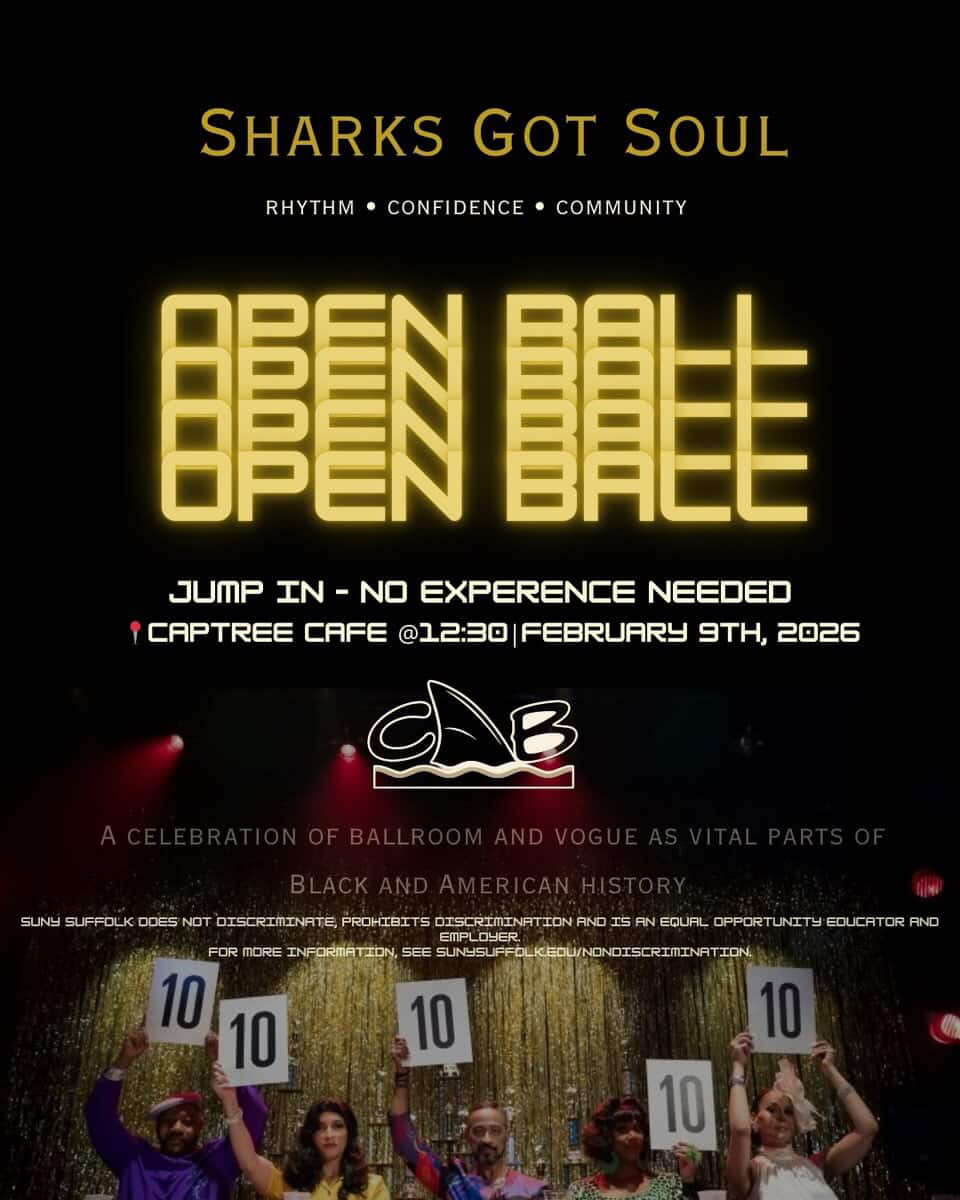

































February is Black History Month, and SCCC students have multiple ways to engage this month through campus events, displays, discussions, and community activities. Across the college’s campuses, this month’s programming offers students different entry points – whether they want to attend a lecture, visit a display, join a creative event, or take part in a cultural experience.
This year’s national Black History Month theme, “A Century of Black History Commemorations,” invites communities to reflect on the history and impact of Black history observances and their role in education and public life. For a college campus, that makes Black History Month more than a calendar event. It becomes an opportunity to learn together.
For students who are unsure where to begin, the easiest first step is simple: pick one event, attend with a friend, and stay curious.
SCCC’s Black History Month programming includes a range of events across the Ammerman, Grant, and Eastern campuses. This year’s schedule features creative programs, cultural activities, displays, talks, and trips that give students different ways to participate.
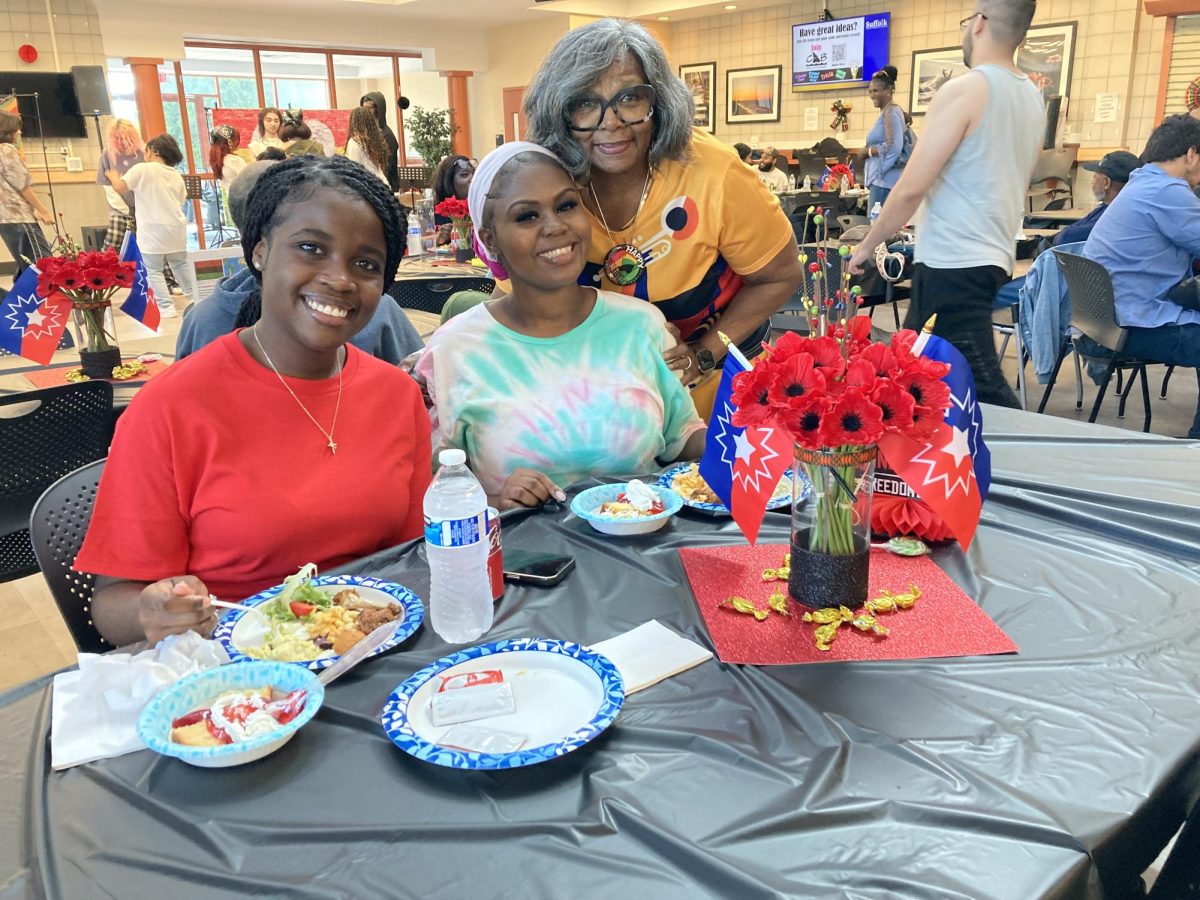
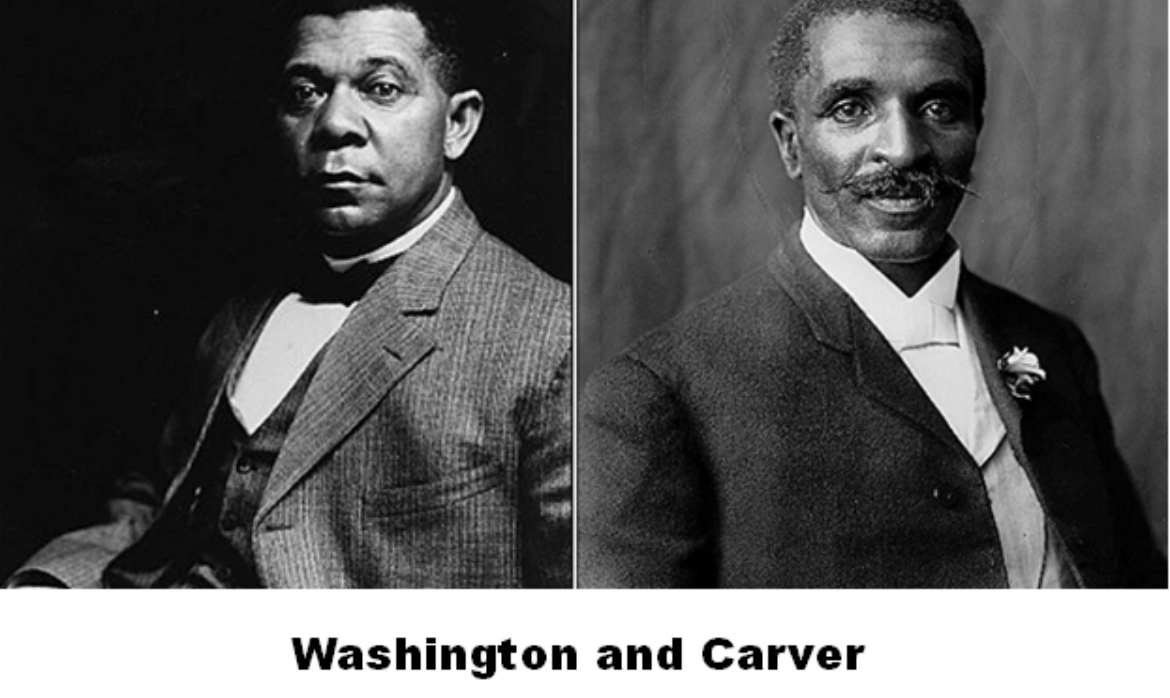
Examples include events such as a painting and community celebration, campus displays highlighting Black history contributors and inventions, a holistic healing program rooted in Black culture, and presentations focused on African American history and abolitionist figures. The month also includes off-campus experiences connected to African American heritage and museum visits.
Rather than trying to attend everything, students may want to start with one event that matches their interests – art, history, wellness, or community – and build from there.
Black History Month programming can serve different purposes for different students. For some, it is a chance to learn history that is not always fully covered in the classroom. For others, it is an opportunity to engage with culture, community, and conversation in a more personal way.
Faculty and campus staff say Black History Month programming helps create space for both historical learning and present-day conversation.
A strong campus Black History Month program also helps create shared spaces for reflection and dialogue. Events, displays, and lectures give students a way to connect historical themes to the present and to each other.
Students experience Black History Month in different ways – some come to specific events, some stop at displays between classes, and some attend because they want a place to start learning.
For students attending their first Black History Month event, the best approach may be the simplest one: be present, listen, and stay open to learning. A single event can be the start of a larger conversation.
Students can check the full campus Black History Month schedule through the college’s posted event program and Student Activities announcements.