































On July 4, 2026, the United States marks 250 years since the Declaration of Independence – a national milestone known as the Semiquincentennial. The National Archives says the Continental Congress adopted the Declaration on July 4, 1776, and that delegates began signing the parchment copy on Aug. 2, 1776.
For students, America at 250 is more than a history date. It is a chance to look at the country’s founding documents, local history and civic life with fresh attention.
According to America250, the official national commemoration recognizes the 250th anniversary of the signing of the Declaration of Independence. The organization’s programming encourages communities across the country to participate through events, service, learning and public reflection.
That makes the anniversary especially meaningful on a college campus. Colleges are places where students read history, ask questions, compare perspectives and think about the future. America at 250 gives students a reason to connect classroom learning with the larger civic story around them.
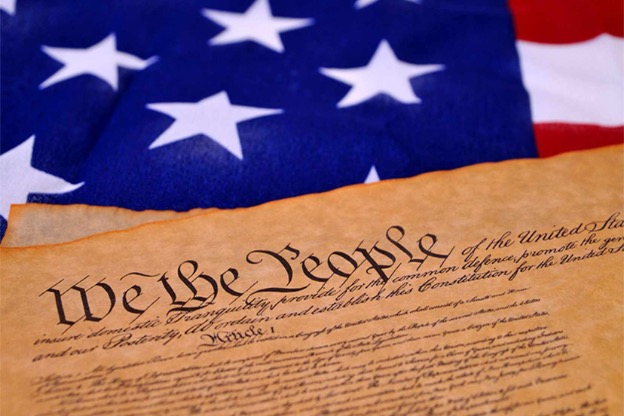
The Declaration of Independence remains one of the country’s most recognized founding documents. The National Archives describes it as a statement of the principles on which the government and American identity are based, and notes that it continues to inspire people around the world in struggles for freedom and equality.
For students, reading the Declaration today can open more than one conversation. It can raise questions about liberty, equality, citizenship, representation and who has been included in the American story at different points in history.
The 250th anniversary also has a local connection. Suffolk County has launched Suffolk 250, a year-long series of events commemorating America’s anniversary and highlighting Suffolk County’s role in the Revolutionary era. The county’s page notes that the region includes colonial-era homesteads, battlefield sites, reenactments, lectures, tours, festivals and family-friendly activities tied to the anniversary.
That local connection gives Suffolk County Community College (SCCC) students a way to experience the anniversary beyond textbooks. Students can visit historic sites, attend community events, explore museum programs or learn more about Long Island’s role in the Revolution.
New York State is also marking the anniversary. Gov. Kathy Hochul’s office announced that more than 200 activities and exhibitions are planned across the state, including tall ships in New York City, Revolutionary War reenactments and exhibits that include Black and Indigenous perspectives on the Revolution and the ongoing fight for equal rights.
Those details matter because America at 250 should not be limited to fireworks or a single celebration. The anniversary can also be an opportunity to study the full history of the country – including achievements, contradictions, struggles and unfinished work.
For students, one practical way to participate is to treat the anniversary as a learning opportunity. That could mean reading a founding document, visiting a historic site, attending a lecture, volunteering in the community or asking how the issues debated in 1776 still appear in public life today.
It can also be a chance for student journalists to cover how local communities are remembering the past. Campus newspapers can help connect national milestones to student life by reporting on events, interviewing faculty, highlighting student perspectives and explaining how local history fits into the larger national story.
America at 250 is not only about looking backward. It is also about asking what kind of civic life students want to help build next.
Students can find national anniversary information through America250, New York events through the state’s America 250 listings, and local programs through Suffolk 250.